Stationery Tools Design Review
First Impressions and Visual Personality
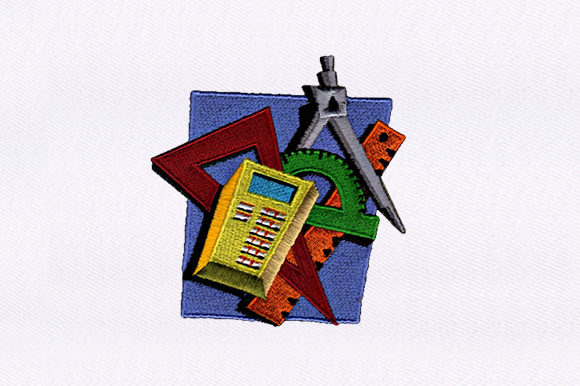
The Stationery Tools Design immediately strikes a balance between functionality and charm. Its visual personality leans toward playful yet professional, with clean lines and subtle detailing that suggest both creativity and practicality. The design feels modern and versatile, suitable for a range of applications from casual wear to more refined boutique pieces. It doesn’t overwhelm the fabric, which is a strong point for those looking to maintain a cohesive aesthetic across multiple products.
Sweatshirt Embroidery
On neutral sweatshirts, Stationery Tools Design stands out beautifully. The design’s simplicity allows it to complement the softness of the fabric without competing for attention. For a casual, laid-back vibe, this design works well on oversized sweaters or cozy seasonal outfits. It adds a touch of personality without being too bold.
Hoodie Design and Chest Placement
When placed on the chest of a hoodie, Stationery Tools Design maintains its clarity and detail. The design’s placement options are flexible, allowing for both centered and offset positioning. It looks great on pastel hoodies, where its muted tones blend seamlessly with the background.
T-Shirt Embroidery and Tote Bag Design
This design is also ideal for t-shirts and tote bags. On light-colored t-shirts, it adds a touch of sophistication. For tote bags, the design can be scaled up slightly to ensure visibility while maintaining its clean look. It's a great choice for custom apparel that needs to be both functional and stylish.
Design Performance Across Fabric Types
Stationery Tools Design performs well on a variety of fabrics, but there are a few considerations. On dark garments, the design may require a contrasting thread color to ensure visibility. It also holds up well on denim jackets, though care should be taken with stitch density to avoid puckering.
On stretchy or ribbed fabrics, the design may need additional stabilizer support to prevent distortion. Testing on scrap fabric is always recommended before full production. For fleece or other textured materials, the design’s detail level remains intact, making it a good fit for handmade product collections.
Practical Designer Notes
- Test on scrap fabric: Always test the design on a sample piece to assess how it interacts with the fabric texture.
- Check stabilizer choice: A lightweight stabilizer is ideal for most applications, but heavier ones may be needed for dense areas or stretchy fabrics.
- Review thread color contrast: Ensure the chosen thread color provides enough contrast against the garment background.
- Confirm hoop size: Make sure the design fits within your hoop dimensions to avoid stitching issues.
- Inspect stitch density: Adjust stitch settings if necessary to maintain the design’s integrity on different fabric types.
- Test on similar garment fabric: This helps identify any potential issues before committing to a full order.
- Compare placement options: Experiment with different positions to find the most visually appealing layout.
- Check Creative Fabrica product details: Verify licensing terms and file formats before using the design commercially.
Impact on Brand Identity and Product Value
Incorporating Stationery Tools Design into your boutique brand can enhance product value by adding a unique, recognizable element to your collection. The design’s consistent style supports visual consistency, which is crucial for building brand recognition and customer trust.
For Etsy sellers and small shop product creators, this design offers a way to elevate handmade items without sacrificing quality. Its versatility makes it a valuable asset for commercial embroidery and digital embroidery file projects. When used in lifestyle product photos and printable mockups, it helps create a polished, professional look that appeals to a broad audience.
Where to Use with Care
While Stationery Tools Design is highly adaptable, there are areas where it requires careful consideration. Small chest placements may need additional spacing to maintain clarity. Dense stitch areas could cause strain on certain fabrics, so adjusting the design or using a higher-quality stabilizer is advisable. Tiny lettering might be lost on dark or textured fabrics, so always test before finalizing.
Curved surfaces and areas prone to stretching or wrinkling should also be approached with caution. Ensuring proper tension and using appropriate stabilizers can help maintain the design’s appearance on these surfaces.
Conclusion
Stationery Tools Design is a versatile and thoughtfully crafted embroidery design that offers a wide range of applications for custom apparel and boutique merchandise. Whether you're working on sweatshirt embroidery, hoodie design, or printable mockups, this design provides a reliable and stylish option. With the right preparation and attention to detail, it can significantly enhance your product offerings and contribute to a cohesive brand identity.