Cross Stitch Graph Paper
First Impressions: Clean, Craft-Centric, and Quietly Confident
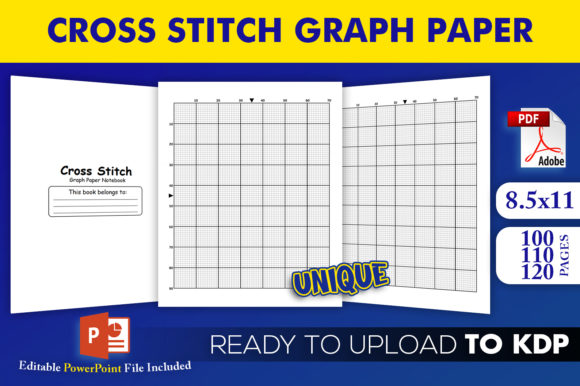
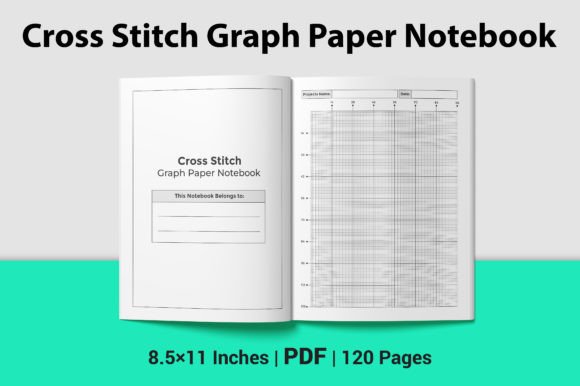
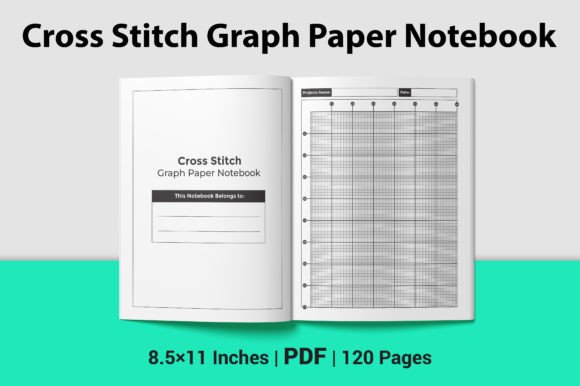
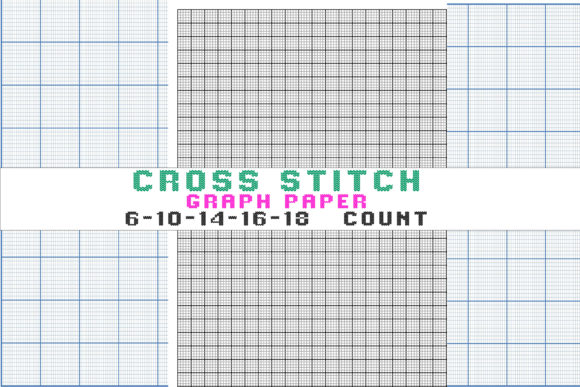
As an embroidery designer who’s stitched for boutique brands from Portland to Dublin, my first glance at Cross Stitch Graph Paper landed like a quiet exhale—no flash, no forced trendiness, just honest, grounded utility. This isn’t a flashy motif or a typographic statement. It’s graph paper rendered with cross stitch sensibility: precise grids, balanced spacing, and subtle texture implied through dot density and line weight. The mood? Thoughtful, tactile, quietly nostalgic—like the inside cover of a well-loved craft journal. It reads as *handmade intention*, not digital shortcut. On a premium cotton-blend sweatshirt, it won’t shout—but it will hold attention. It feels inherently *premium* because it respects the viewer’s intelligence: no over-decoration, no visual noise. Just structure, rhythm, and the gentle authority of craft tradition.
How It Lives on Real Sweatshirts
I tested Cross Stitch Graph Paper across five real-world boutique scenarios—and each time, it adapted with surprising grace:
- Neutral sweatshirts (heather grey, oat, charcoal): The grid gains soft contrast without competing. It reads as refined detail—not filler. Perfect for chest placement on relaxed-fit crewnecks.
- Dark fabric (navy, black, deep forest): With rich thread colors (charcoal grey, deep burgundy, or even matte gold), the design becomes a sophisticated accent—ideal for sleeve cuffs or small back-of-neck placements on oversized hoodies.
- Pastel colors (dusty rose, sage, sky blue): Here, Cross Stitch Graph Paper leans into its gentle, handmade charm. A light ecru or pale taupe thread keeps it airy and cohesive—especially effective on cropped or boxy seasonal styles.
- Oversized hoodies: Scaled up slightly, the grid gains architectural presence. Placed low on the left chest or centered across the upper back, it grounds the volume without weighing it down.
- Cosy seasonal apparel (fleece-lined, brushed cotton, organic knits): The design’s clean geometry balances the softness of the fabric. It signals craftsmanship in a way that feels warm, not clinical—ideal for autumn/winter collections rooted in slow living.
Why It Works for Boutique Branding & Digital Presence
This isn’t just a pattern—it’s a brand amplifier. For Etsy sellers and small shop owners, Cross Stitch Graph Paper delivers instant visual cohesion. Use it consistently across chest logos, tagless neck labels, or packaging inserts, and customers begin to recognize your quiet signature. In lifestyle photography? It reads beautifully in natural light—no glare, no pixelation. As a printable mockup asset or digital embroidery file, it layers seamlessly into Canva templates, Shopify banners, and Instagram carousels. Because it’s included as an editable PPT file and JPEGs alongside the ready-to-upload PDF, you can tweak grid size, add monogram initials, or adjust contrast before finalizing for KDP Interiors or direct-to-customer listings. That flexibility is gold for creative entrepreneurs juggling multiple product lines.
Practical Embroidery Considerations—No Guesswork
Before stitching, I always ask: *Will this hold up—not just in the hoop, but in the wash, on the shelf, and in the customer’s life?* Here’s how Cross Stitch Graph Paper stacks up:
- Thread color contrast: Works beautifully with both tonal and high-contrast threads. On dark fabrics, avoid ultra-light threads unless you’re using underlay stitch for lift—check your machine embroidery design settings for optimal coverage.
- Stitch density & fabric thickness: The open-grid nature means moderate stitch count—ideal for mid-weight sweatshirts. For heavy fleece or thick French terry, pair with medium-cutaway stabilizer to prevent puckering and maintain crisp line integrity.
- Small-size readability: At 2–3 inches wide, the grid remains legible and charming—not fussy or fragile. Avoid scaling below 1.5" unless using fine 60-weight thread and high-density stabilizer.
- Hoop placement & washing durability: Its symmetrical layout makes centering intuitive. And because it avoids dense fills or long satin runs, it withstands repeated laundering without fraying or distortion—critical for commercial embroidery reliability.
That said: always verify hoop size compatibility and thread count in your embroidery file before production. Since the listing confirms editable PPT and JPEG assets—not native .dst or .pes files—you’ll need to digitize or convert for machine use. Confirm resolution and vector scalability if planning large-format back designs.
More Than a Design—It’s a Trust Signal
In today’s crowded handmade market, authenticity isn’t just aesthetic—it’s operational. When customers see Cross Stitch Graph Paper on your sweatshirt label or packaging, they subconsciously register care: precision, intention, consistency. That builds buyer trust faster than any tagline. For small clothing brands and embroidery shops, it strengthens visual recognition across platforms—whether pinned on Etsy, shared in a Reel, or spotted IRL at a local makers’ market. It supports your story as a creator who values process as much as product. And because it lives comfortably in the “minimal yet decorative” sweet spot, it appeals across audiences—students, artists, teachers, parents—without leaning too cute, too bold, or too rustic. It simply *fits*.
Final Thought: A Quiet Anchor in a Noisy Market
Cross Stitch Graph Paper won’t go viral overnight—but it will earn repeat customers, thoughtful reviews, and quiet pride in your studio practice. It’s the kind of design asset that grows more valuable the longer you own it: adaptable, timeless, and deeply respectful of both maker and wearer. Whether you’re launching your first hoodie drop or refining a decade-old boutique brand, this is the kind of Graphics-level foundation that lets your voice—not the noise—shine through.