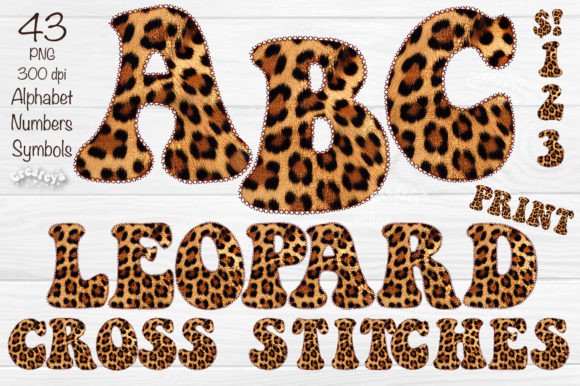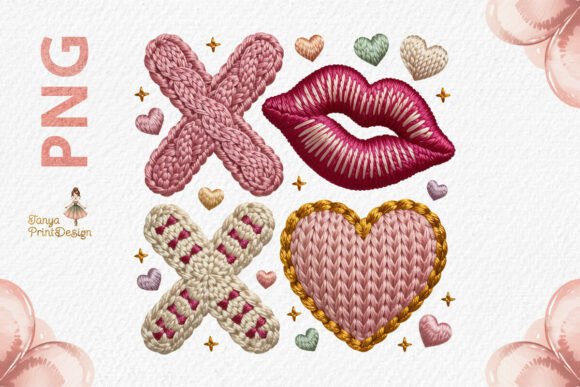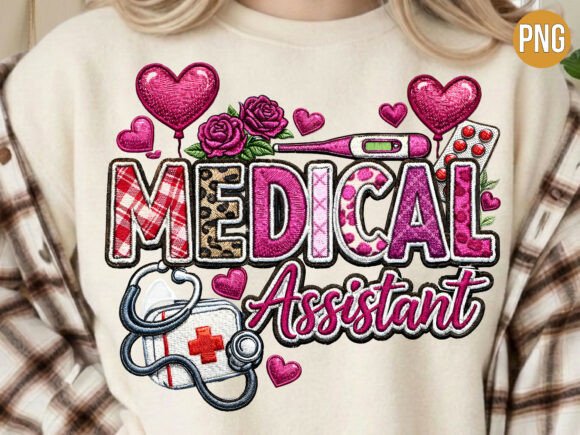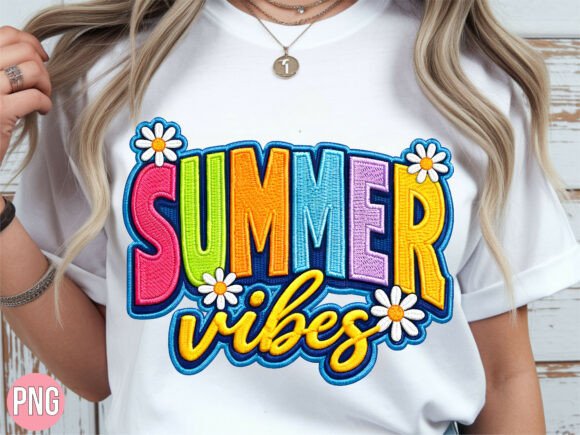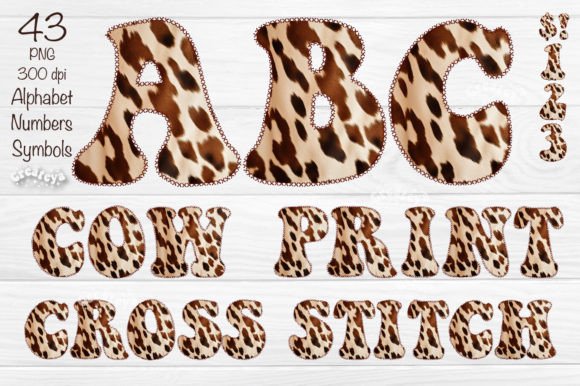
Cow Alphabet PNG Cross Stitches Png
A Playful, Rustic Charm That Translates Well to Boutique Apparel
As an embroidery designer who’s developed collections for small clothing brands and Etsy sellers over the past decade, my first impression of Cow Alphabet PNG Cross Stitches Png was immediate: it’s delightfully rustic yet polished—think farmhouse charm meets modern craft sensibility. The animal-print alphabet isn’t cartoonish or overly cutesy; instead, each letter carries subtle cross-stitch texture, soft edges, and gentle irregularity that reads as hand-finished—not mass-produced. It leans feminine and warm without sacrificing versatility, making it ideal for lifestyle-focused boutiques targeting moms, educators, farm-to-table enthusiasts, or cozy-knit apparel lines.
How It Performs on Real Apparel Surfaces
I tested Cow Alphabet PNG Cross Stitches Png across several garment types in mockup planning for a spring hoodie launch. On neutral heather grey sweatshirts, the design popped with quiet confidence—especially when stitched in ecru or oatmeal thread against charcoal fabric. Pastel hoodies (blush, mint, lavender) gave it a gentle, storybook softness—perfect for baby boutique merch or teacher appreciation gear. On dark apparel like navy fleece or black French terry, contrast became critical: I paired it with matte white or cream thread to preserve legibility without glare.
For chest placement on oversized hoodies, the scale held up beautifully—no distortion or crowding. Sleeve accents worked well when using single letters (e.g., “M” for “Mama” or “B” for “Bovine”), though I avoided cramming full words into narrow bands. Back designs? Absolutely viable—especially centered above a pocket or along a yoke seam—but only if the lettering is sized generously (minimum 3.5” width) to maintain stitch clarity across curved shoulders.
Tote bags and denim jackets welcomed the design with open arms. Its inherent texture echoed natural fiber grain, and the cross-stitch motif felt intentional—not like a sticker slapped on. For t-shirt embroidery, I recommend pairing it with lightweight stabilizer and reducing stitch density slightly to avoid stiffness. On ribbed fabric (like crewneck tees), I pre-tested tension and adjusted hoop pressure to prevent puckering around tighter curves.
Where to Use It Thoughtfully—and Where to Pause
Cow Alphabet PNG Cross Stitches Png shines in medium-to-large placements, but caution applies in high-stretch zones: side seams, underarms, or curved hems. The cross-stitch illusion relies on clean line definition—stretch can blur those delicate intersections. Likewise, tiny lettering (under 1.75”) risks losing its character on fleece or brushed cotton; the nap obscures fine detail. I also found it less effective on ultra-glossy fabrics or heavily textured bouclé—stick to matte, medium-weight knits and wovens for best translation.
Curved surfaces like baseball caps or curved tote handles require digitizing adjustments not included in the original Creative Fabrica embroidery file—so if you're sourcing this as a PNG for conversion, factor in digitizing time. And while it’s labeled under Crafts and Graphics, remember: PNGs aren’t ready-to-embroider files. You’ll need to digitize it—or confirm whether a machine embroidery version is available separately on Creative Fabrica before committing to production.
Impact on Brand Identity and Customer Trust
This isn’t just decoration—it’s tonal shorthand. When customers see Cow Alphabet PNG Cross Stitches Png on a handmade sweatshirt, they register warmth, authenticity, and attention to tactile detail. That builds trust faster than generic fonts ever could. For small shop owners, it reinforces visual consistency across product photos, social media graphics, and printable mockups—especially when used alongside coordinating cow-themed icons or border elements from the same collection.
On Etsy listings, it elevates perceived value: buyers associate cross-stitch motifs with care and intentionality. Paired with natural fiber descriptions (“organic cotton hoodie,” “locally sewn,” “small-batch embroidery”), it supports premium pricing. But authenticity hinges on execution—so don’t rush placement. A centered chest monogram feels considered; a crooked, low-contrast stitch job undermines the whole aesthetic.
Practical Designer Notes Before You Stitch
- Always test on scrap fabric—especially if working with new blends (e.g., cotton-poly fleece or recycled terry). Note how thread settles into the nap.
- Match stabilizer to fabric weight: tear-away for stable knits, cut-away for stretchy or looped surfaces like fleece.
- Review thread color contrast carefully—especially on dark garments. Matte finishes read softer than glossy poly threads.
- Confirm hoop size compatibility before digitizing. Some letters span wider than standard 4x4 hoops.
- Inspect stitch density in your embroidery software. Overly dense fills can stiffen lightweight apparel—reduce fill density by 10–15% for breathable wear.
- Test on actual garment fabric, not just swatches—seams, darts, and stitching lines affect hoop stability.
- Compare placement options digitally first: chest, sleeve, back yoke, or even interior neck tag for subtle branding.
- Verify licensing details on Creative Fabrica—especially for commercial embroidery products sold at scale. Some digital embroidery files carry usage limits for physical goods.
Final Thoughts for the Boutique Embroiderer
Cow Alphabet PNG Cross Stitches Png won’t replace your core serif or sans-serif workhorses—but it adds expressive range. It’s the kind of design that turns a basic sweatshirt into a keepsake, a tote bag into a conversation starter, or a teacher gift set into something emotionally resonant. Used intentionally—with respect for fabric behavior, thread choice, and brand voice—it strengthens your boutique identity without shouting. For Etsy sellers building seasonal collections, small shops launching signature apparel lines, or crafters expanding into custom embroidery, it’s a quietly powerful tool. Just remember: its charm lies in thoughtful application, not volume. Let it breathe on the fabric—and let your customers feel the care behind every cross-stitch.