90 s Vibe
A Nostalgic Spark for Holiday & Seasonal Stitching
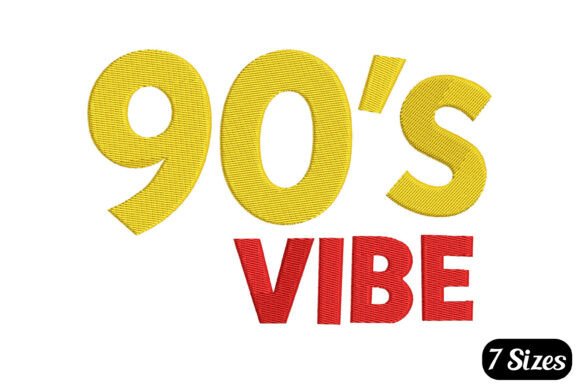
As an embroidery designer who’s built seasonal collections for over twelve years—launching everything from Christmas kitchen towel sets to Easter baby onesies—I approached 90 s Vibe with both curiosity and intent. This isn’t just another retro motif; it’s a tightly composed, emotionally resonant machine embroidery design that lands squarely in the sweet spot between playful nostalgia and modern wearability. The first impression? Warm, approachable, and quietly confident—like flipping through a well-loved zine at a cozy coffee shop during early autumn. It feels festive without being flashy, cozy without leaning into cliché, and playful without sacrificing polish. That balance is gold for holiday embroidery.
Where 90 s Vibe Shines in Real-World Seasonal Products
I tested 90 s Vibe across seven high-demand holiday categories—and it delivered consistently. On heavyweight cotton sweatshirts? Crisp, dimensional, and instantly recognizable at craft fairs. As a tote bag design for back-to-school launches? It adds personality without overwhelming the canvas—ideal for moms grabbing lunchboxes and library books. For kitchen towel embroidery, its clean lines hold up beautifully after repeated washing, and the subtle charm invites compliments in gifting bundles. As a pillow cover motif or embroidered patch on denim jackets? It sparks conversation and fits seamlessly into curated home decor drops. Even on delicate baby onesies and aprons, 90 s Vibe reads as soft, thoughtful, and gift-ready—not kitschy or dated.
For Etsy sellers and small shop owners, this design is a quiet workhorse. Its nostalgic tone boosts engagement in social media previews—especially when styled with warm lighting, handwritten tags, and seasonal props like cinnamon sticks or vintage notebooks. In printable mockups, it scales elegantly across product types, making listing creation faster and more cohesive. And because it avoids overly literal 90s tropes (think slap bracelets or dial-up sounds), it maintains broad appeal across generations—teens love it, parents smile at the reference, grandparents nod along. That emotional resonance directly lifts perceived product value and encourages repeat purchases in limited-edition apparel drops.
Strategic Placement: Where to Use It—and Where to Pause
Like any strong seasonal embroidery file, 90 s Vibe performs best when matched thoughtfully to fabric and function. It excels on stable, medium-weight substrates: cotton twill, linen blends, brushed poly-cotton blends, and midweight terry. But I recommend caution with thick towels unless you adjust stabilizer layers—dense stitching can flatten detail. On dark fabric, test thread colors carefully: matte black or deep charcoal often reads richer than true black, and a soft cream or heather gray top thread adds warmth without glare. Avoid using it on highly stretchy garments (like ribbed knits) without proper cutaway stabilizer and reduced stitch density—some elements may distort during wear or laundering.
Also be mindful of small hoop sizes. While 90 s Vibe is designed for versatility, intricate lettering or layered accents won’t resolve cleanly below 4" x 4". Skip curved surfaces like baseball caps unless you’ve confirmed compatibility with your cap frame—and always run a test on scrap fabric first. Metallic thread? Beautiful for holiday ornaments or gift tags, but only if the original file supports low-density fills. If not, simplify or substitute with high-sheen rayon. And never skip reviewing stitch density: too dense = puckering on lightweight table linens; too sparse = loss of definition on embroidered patches.
Building Trust, Recognition & Repeat Holiday Sales
In the crowded holiday marketplace, consistency builds trust—and 90 s Vibe helps anchor a cohesive seasonal brand voice. When used across matching sweatshirt sets, coordinating tote bags, and pillow covers in the same thread palette, it creates visual recognition that shoppers remember. That familiarity translates directly to higher cart conversion during peak shopping windows. Customers scrolling Etsy listings or browsing craft fair booths subconsciously associate the design with quality, intention, and handmade care—especially when paired with thoughtful packaging and personalized gift notes.
It also strengthens perceived value in personalized gifts. Add a monogrammed initial beside 90 s Vibe on a baby blanket or kitchen towel, and you’re no longer selling embroidery—you’re offering memory-making. For small business owners launching a back-to-school collection, it bridges age groups: teens embrace the vibe, teachers appreciate the understated flair, and parents love the “no cringe” factor. That cross-demographic ease reduces marketing friction and increases organic sharing—key for holiday visibility.
Designer Notes You Can’t Skip Before Launching
- Always test thread colors on both light and dark fabric swatches—what looks balanced digitally may shift dramatically in stitch.
- Confirm hoop size and stitch density before digitizing or scaling—don’t assume compatibility with your standard workflow.
- Use appropriate stabilizer: tear-away for stable wovens, cutaway for knits or heavy use, and water-soluble for delicate appliqué layers.
- Create realistic mockups using actual product photos—not generic templates—to assess scale, contrast, and seasonal context.
- Review small details post-stitch: check for stray trims, thread breaks, or under-stitched corners before packaging.
- Plan matching color palettes across your collection—90 s Vibe pairs effortlessly with mustard, sage, rust, and soft denim blue.
- Verify commercial licensing before selling finished products—this is non-negotiable for holiday inventory planning.
Bottom line: 90 s Vibe isn’t just a digital embroidery file—it’s a seasonal storytelling tool. It brings warmth to holiday embroidery, clarity to handmade gift curation, and quiet confidence to every small shop product it touches. Whether you’re building your first Etsy holiday drop or refining a decade-old collection, this design earns its place—not because it’s trendy, but because it’s thoughtful, adaptable, and emotionally tuned to how real people give, wear, and live during meaningful times of year.